
A New Era of US Monetary Policy Begins

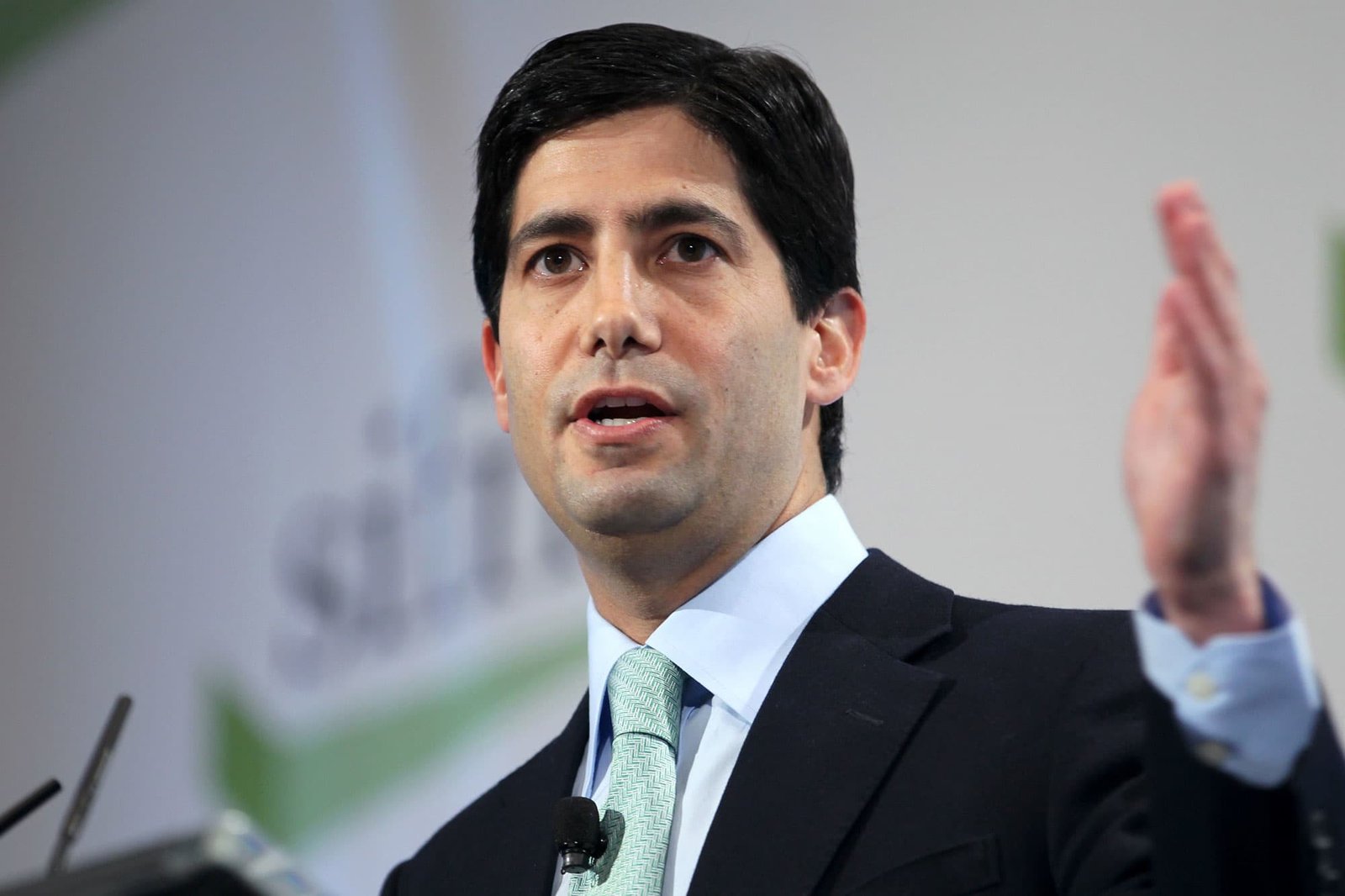
Kevin Warsh was officially appointed Chairman of the Federal Reserve, or The Fed, after being inaugurated on Friday (May 22, 2026) US time. The change in leadership at the US central bank immediately drew global market attention, as it was seen as determining the direction of global monetary policy amidst international economic uncertainty.
Warsh’s inauguration marked the beginning of the new leadership of the Fed under the Donald Trump administration. Before taking office, Warsh went through a nomination process and received confirmation from the US Senate.
In addition to being inaugurated as Chairman of the Federal Reserve, Warsh was also unanimously elected as chairman by the Federal Open Market Committee (FOMC) on the same day. This position gives him a central role in determining the direction of the benchmark interest rate and US monetary policy strategy.

“The Federal Open Market Committee unanimously elected Warsh as its chairman,” the Federal Reserve wrote in an official statement quoted on Saturday (May 23, 2026).

Warsh’s appointment was relatively short-lived. Donald Trump is known to have nominated him on March 4, 2026, and the US Senate confirmed him as a member of the Federal Reserve Board on May 12, before he was officially inaugurated as chairman.
According to applicable regulations, Warsh will lead the Fed until May 21, 2030. His term as a member of the Federal Reserve Board of Governors will run until January 31, 2040.
Kevin Warsh himself is not a new figure in the United States financial system. He served on the Fed Board of Governors during the 2008 global financial crisis and was known for his involvement in various financial sector rescue policies at that time.
His experience in dealing with these crises has led many analysts to assess Warsh’s strong ability to read global economic dynamics, especially as world markets currently face geopolitical pressures and energy inflation.
Market participants are now paying close attention to Warsh’s initial policy direction, particularly regarding the potential for prolonged high interest rates in the United States. The Fed’s policies are considered to significantly impact the movement of the US dollar, global investment flows, and the stability of emerging markets.
In addition to inflationary pressures, the Fed also faces the challenge of increasing global uncertainty stemming from geopolitical conflicts in the Middle East and economic slowdowns in several major global economies. These conditions make every policy signal from the US central bank a matter of concern for international investors.
With Kevin Warsh officially taking the helm of the Federal Reserve, global markets are now awaiting his first steps to maintain US economic stability and manage growing global economic pressures.