
Ozzy Osbourne: The Godfather of Heavy Metal Passes Away at 76

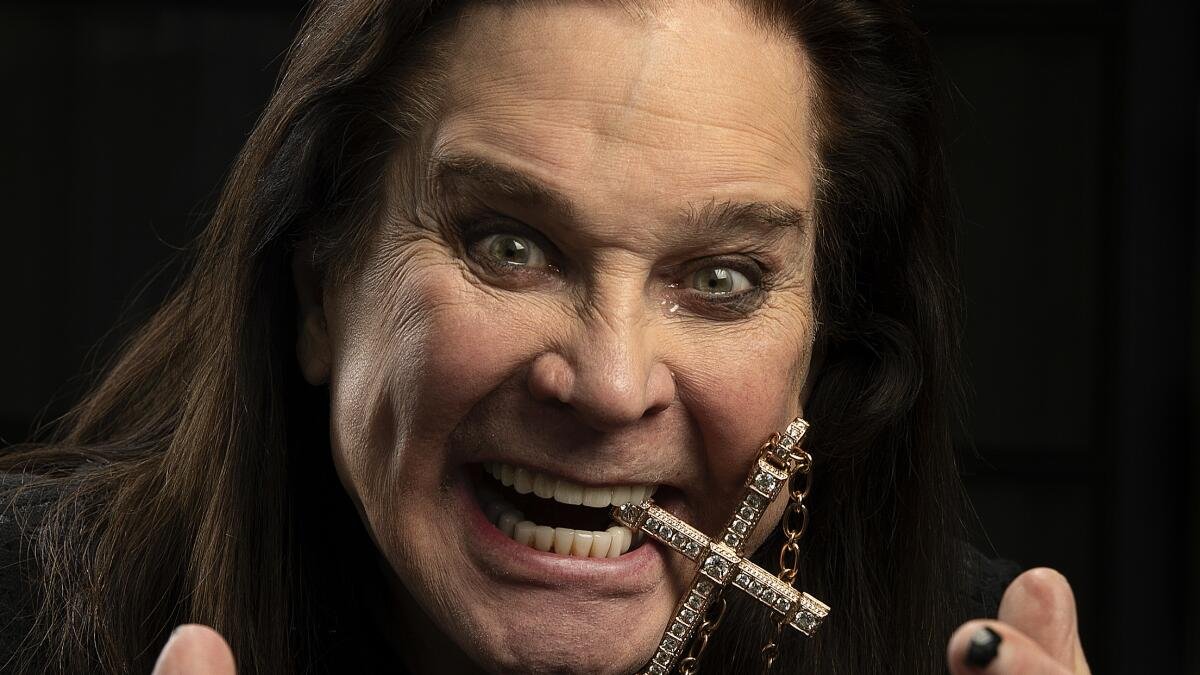
A Life of Music: Ozzy’s Journey from Birmingham to Stardom
Born on December 3, 1948, in Birmingham, England, John Michael Osbourne, famously known as Ozzy Osbourne, has left an indelible mark on the music landscape, particularly within the heavy metal genre. Growing up in a working-class environment, Ozzy faced numerous challenges and hardships during his early years. However, it was this backdrop that nurtured his passion for music. The vibrant local scene and influences from artists such as The Beatles and Elvis Presley helped shape his musical inclinations.
In 1968, Ozzy co-founded the band Black Sabbath, which would soon become one of the most influential pioneers of heavy metal music. As the lead vocalist, his unique voice and theatrical stage presence captured the attention of audiences worldwide. The band’s self-titled debut album, released in 1970, introduced listeners to a darker sound characterized by heavy guitar riffs and haunting lyrics, firmly establishing the foundation of heavy metal. Tracks like “Iron Man” and “Paranoid” became instant classics, showcasing Ozzy’s distinctive vocal style and earning the band considerable acclaim.
Throughout the 1970s, Black Sabbath released several more albums that solidified their status in music history, including “Master of Reality” and “Sabotage.” However, despite these successes, Ozzy struggled with personal challenges, including substance abuse and conflicts within the band. His departure from Black Sabbath in 1979 marked a pivotal moment in his career, as he then embarked on a successful solo journey. Albums such as “Blizzard of Ozz” and “Diary of a Madman” further defined his artistry and were crucial in shaping his image as the ‘Prince of Darkness.’

As a result of his unique sound and persona, Ozzy Osbourne transcended the boundaries of music, becoming a cultural icon. His influence on heavy metal and rock music continues to resonate, inspiring countless musicians across generations. Ozzy’s journey reflects a remarkable evolution from humble beginnings to renowned stardom, solidifying his legacy within the pantheon of music greats.

The Impact of Ozzy Osbourne on Heavy Metal and Rock Music
Ozzy Osbourne, widely recognized as the Godfather of Heavy Metal, has had an indelible impact on the landscape of rock music. His pioneering sound, which seamlessly blended ominous themes with powerful riffs, established a benchmark for future artists in the genre. Beginning with his tenure as lead vocalist of Black Sabbath, Osbourne contributed to the birth of heavy metal as we know it today. The band’s self-titled debut album released in 1970 introduced dark, dystopian themes in a way that had never been heard before, setting the stage for countless acts that followed.
Osbourne’s distinct vocal style, characterized by its emotive range and theatrical delivery, became a defining feature of heavy metal. He not only applied innovative techniques in vocal expression but also embraced an image that exuded rebellion and nonconformity. This resonance found within his persona has inspired generations of metal artists, encouraging many to adopt their idiosyncratic styles while also expressing vulnerability similar to that of Osbourne. The cultural significance of his music is further evidenced by the way it has been embraced across various demographic lines, transcending age and geography.
In addition to his musical contributions, Ozzy’s larger-than-life personality and public persona have influenced the culture of heavy metal. His openness about struggles with addiction and mental health has contributed to a more profound discourse surrounding such issues within the music community. This honesty has fostered an environment where artists can engage authentically with their audiences. Osbourne’s ability to connect on a deeper level with listeners, combined with his musical innovation, has firmly established him as a seminal figure in rock and heavy metal. His legacy is not merely in his songs but in the entire cultural movement he has inspired, leaving an enduring mark on generations of musicians and fans alike.
Controversies and Challenges: The Dark Side of Fame
Throughout his illustrious career, Ozzy Osbourne, often hailed as the Godfather of Heavy Metal, found himself embroiled in numerous controversies that became a significant part of his public persona. Initially recognized for his distinct vocal style and theatrical performances, Ozzy’s fame did not come without its share of scandals and challenges. One of the most publicized aspects of his life has been his struggles with addiction. The singer battled alcoholism and substance abuse for decades, which led to erratic behavior both on and off stage. This tumultuous phase of his life has often overshadowed his musical achievements, painting a complex picture of a rock star grappling with his inner demons.
In addition to substance abuse, Ozzy faced significant challenges related to his mental health. He has openly discussed his battles with depression and anxiety, which at times resulted in erratic public appearances and controversies. These mental health issues were exacerbated by the lifestyle he led, often resulting in explosive incidents that captured media headlines. For instance, his infamous decision to bite the head off a bat during a concert not only shocked audiences but also raised questions about his state of mind. While many viewed such actions as part of the heavy metal theatrics, they also highlighted a darker side of fame, underlining the toll it can take on an individual.
Despite these challenges, Ozzy’s story is also one of resilience. He demonstrated an ability to reconnect with fans and find solace in music, which served as both a therapeutic outlet and a means of communication. Through various ups and downs, Osbourne managed to maintain a devoted following, underscoring his enduring impact on the heavy metal genre. His experiences with both addiction and mental health have sparked important conversations regarding the pressures of fame, prompting discussions on the necessity of support systems for artists navigating similar paths.
Legacy and Tributes: Remembering the Godfather of Heavy Metal
Ozzy Osbourne, often referred to as the Godfather of Heavy Metal, leaves behind a profound legacy that has shaped not only music but also culture itself. His unique voice, bold persona, and unwavering contribution to the genre solidified his place as a pioneer of heavy metal. From his early days with Black Sabbath to his notable solo career, Osbourne’s influence extends beyond the confines of typical musical boundaries. His audacious style, intertwining personal narratives with heavy guitar riffs, has inspired countless artists and resonated deeply with fans worldwide.
Following the news of his passing at the age of 76, tributes have poured in from fellow musicians who regarded him with immense respect. Iconic figures such as Metallica’s James Hetfield and Iron Maiden’s Bruce Dickinson have shared heartfelt messages, highlighting Osbourne’s contributions to the genre and the music that changed their lives. Fans have taken to social media to express their gratitude, reminiscing about concerts attended and the emotional connections they forged through his music. His songs, such as “Crazy Train” and “Mr. Crowley,” resonate with generations, embodying themes of rebellion, identity, and personal struggle.
Osbourne’s impact on the heavy metal scene cannot be overstated. He was instrumental in establishing a sound that would influence countless sub-genres, resulting in a rich tapestry of evolving styles within rock music. Additionally, his persona and willingness to push boundaries have reshaped the public’s perception of rock artists. His fearless embrace of the extreme aspects of life has left an indelible mark on pop culture, pushing the envelope for self-expression in ways that many have aspired to emulate.
As the music community reflects on Ozzy Osbourne’s life and contributions, his influence is certain to endure, sparking discussions on his remarkable career and the journey of heavy metal music as a whole. The void left by his passing is profound, but so is the legacy he crafted, ensuring that his spirit will continue to resonate through music for years to come.